Powered by Auckland Council & LINZ Data

Auckland's Hazard
Rules Just Changed.
Does your property
know it?

After Auckland's 2023 floods, Plan Change 120 overhauled how hazard risk is assessed — and it now appears on every LIM report. Check 7 hazard layers against your property in seconds, assessed using the same data sources as professional engineering reports.

Enter your Auckland address below — preview is free, no account needed

1000+ Auckland addresses checked · Built by civil engineers · Data current to June 2026

Official council data
Instant results
Free preview — no account needed
Full report from NZ$49
7 Hazards Checked
Auckland · PC120 Ready

Before you buy.
Before you sign.

7 natural-hazard layers, plus PC120 overlays, checked against any Auckland address in seconds.

7Hazard Layers
1000+Addresses Checked
$49Full Report

Free preview · No account needed · Auckland Council & LINZ data

Seven hazards. One report.

Every Auckland address checked against seven natural hazard layers — drawn from Auckland Council's open GIS data.

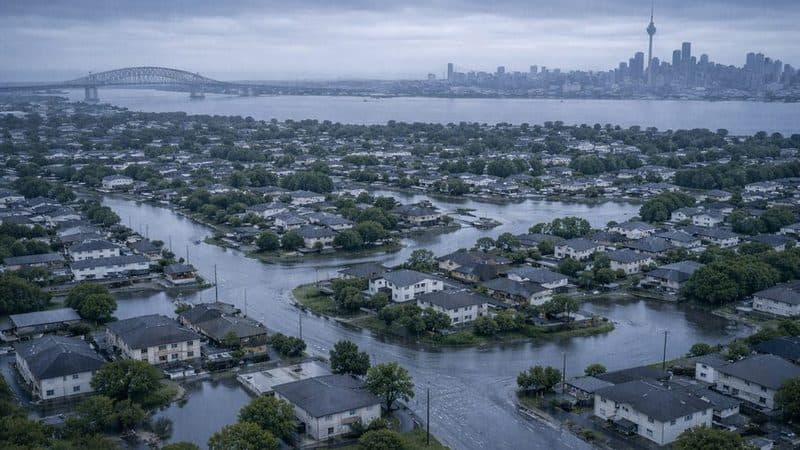
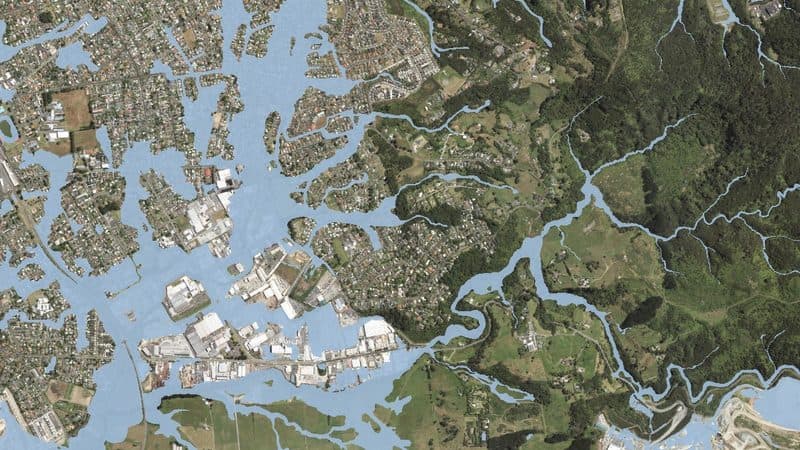
Floodplains
Floodplains

The 1% AEP (100-year) flood extent — areas where council hydraulic modelling predicts inundation during a major storm. Based on catchment-level modelling.

Auckland Council GIS
Coastal Erosion
Coastal Erosion

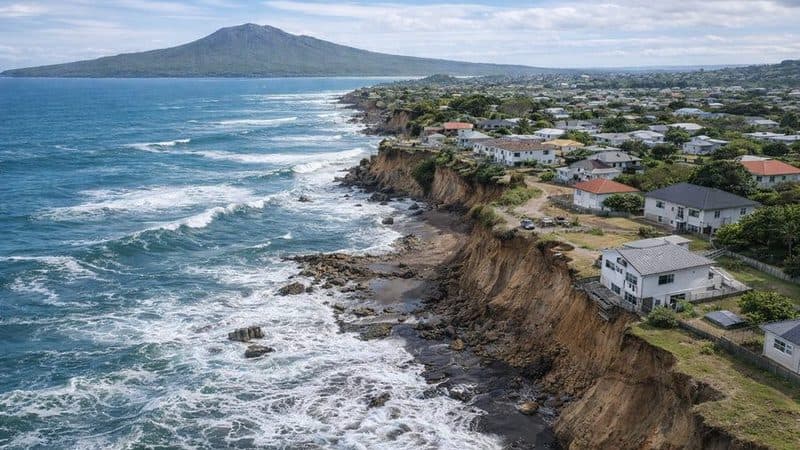
Auckland Council's ASCIE 2130 RCP8.5+ dataset — the projected erosion extent under the high-emissions scenario to 2130, covering all three PC120 coastal erosion hazard areas. Exposed west coast beaches, harbour cliffs, and estuarine edges.

Auckland Council ASCIE 2130
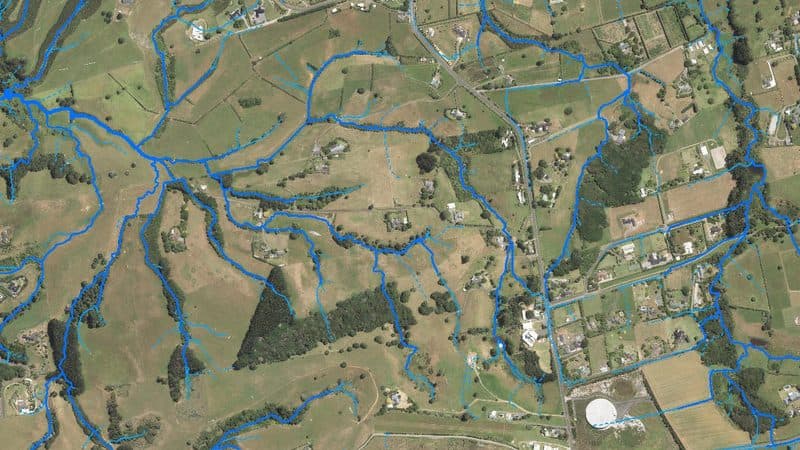
Overland Flow Paths
Overland Flow Paths

Surface stormwater corridors that carry excess runoff when the pipe network reaches capacity. Buildings and structures within the mapped corridor require assessment and may require consent under the AUP.

Auckland Council GIS
Flood Prone Areas
Flood Prone Areas

Topographic depressions identified via LiDAR where water may pond when stormwater drainage is blocked or overwhelmed. Distinct from the floodplain layer.

Auckland Council GIS
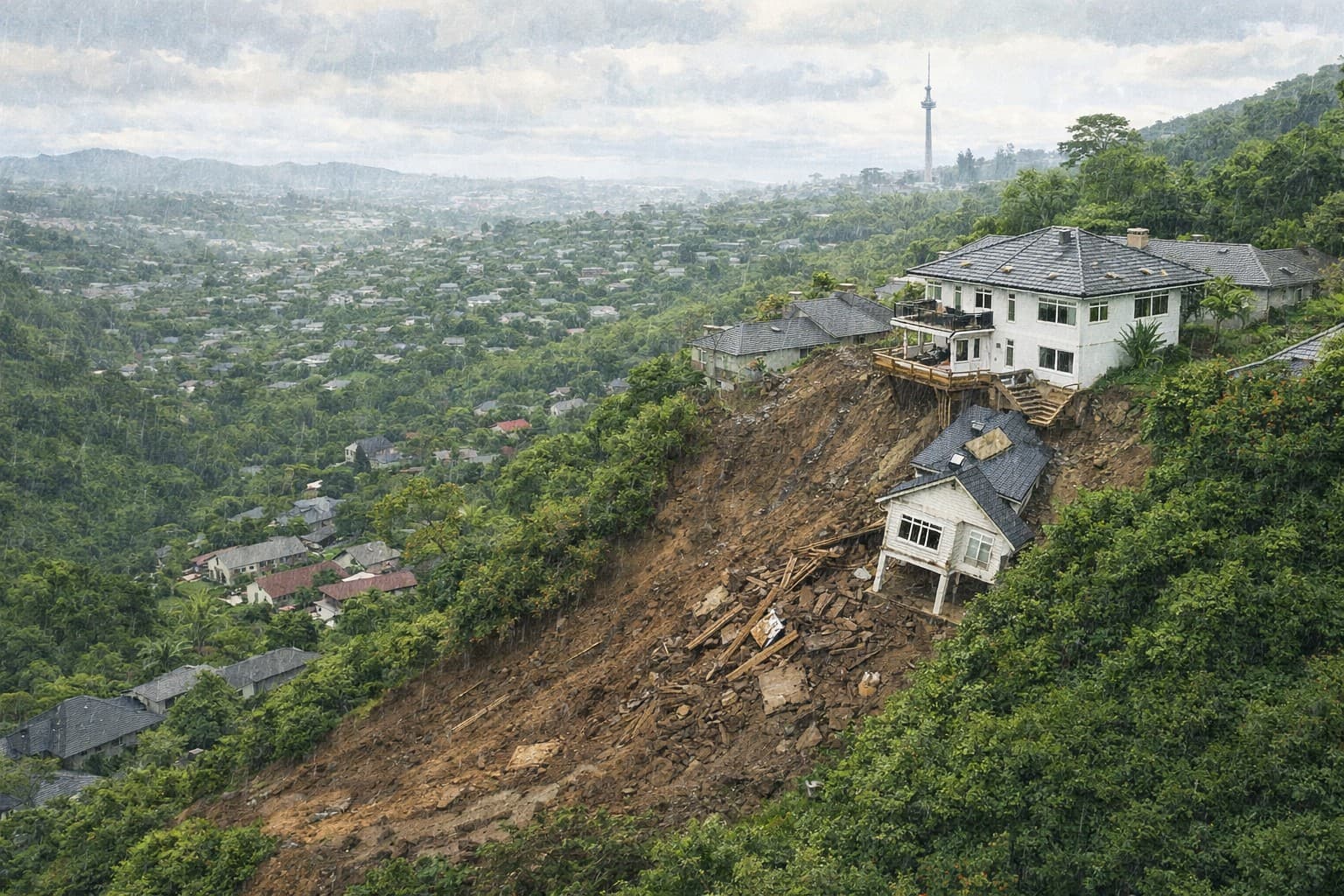
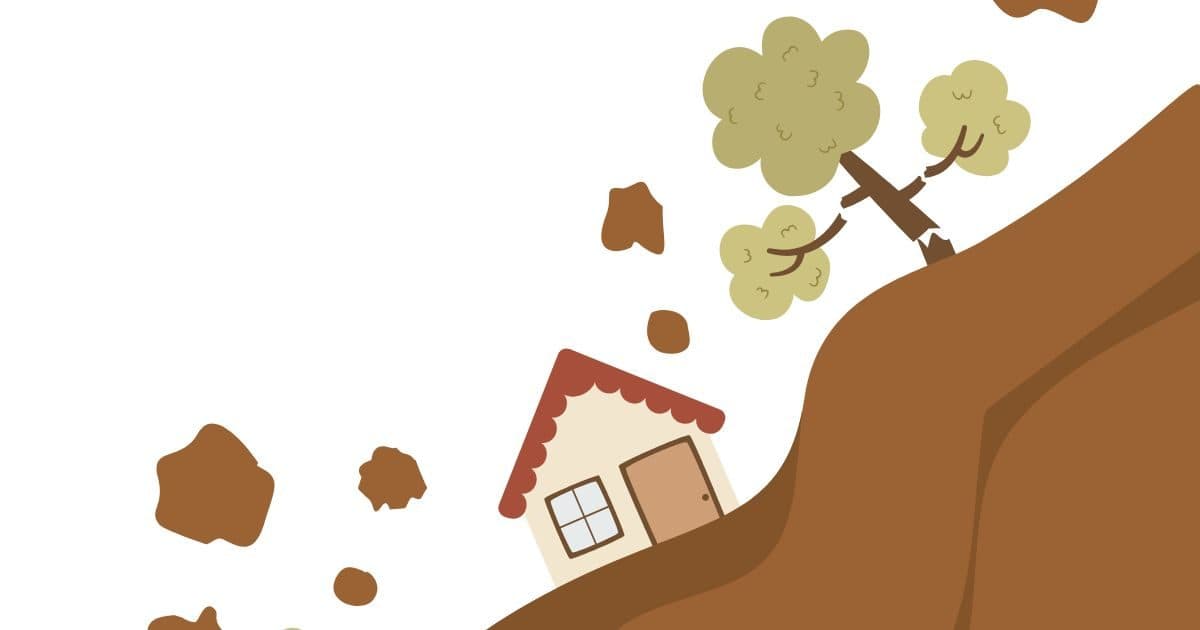
Landslide Susceptibility
Landslide Susceptibility2 Sub-Layers

Two separate layers from Auckland Council's 2025 region-wide study (TR2025/7). Shallow landslide susceptibility covers rainfall-triggered soil slips on steep slopes. Large-scale landslide susceptibility covers deeper, structural failures. Every Auckland property is classified Very Low to Very High. Both layers feed into Plan Change 120 consent requirements.

Auckland Council TR2025/7 (WSP, 2025)
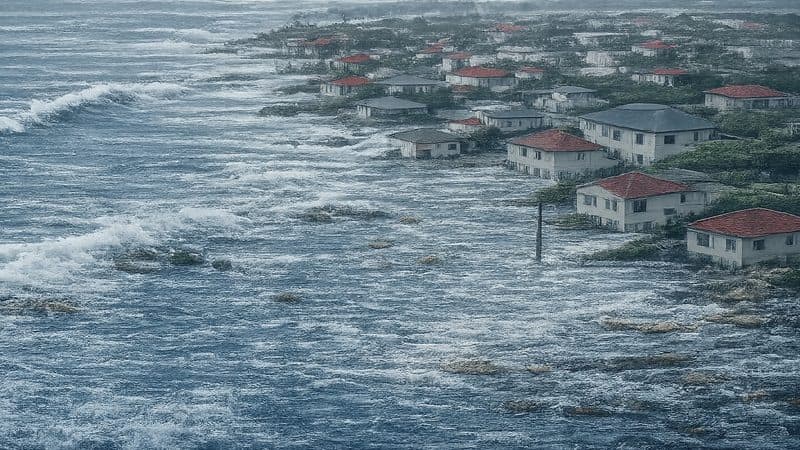
Coastal Inundation
Coastal Inundation

Low-lying coastal areas projected to flood under a 100-year storm surge combined with 1 metre of sea level rise. Covers harbours, tidal inlets, and low coastal land. This is the layer used on LIMs and in PC120 consent assessments.

Auckland Council GIS
Sample Report

Seven hazard layers.
One clear answer.

Our report checks your Auckland property against every major natural hazard dataset — and tells you what it means in plain English, before you sign anything.

  • Overall hazard score — single 1–5 rating driven by the highest individual risk detected
  • 7 hazard layers — floodplain, flood prone, overland flow, coastal inundation, coastal erosion, landslide (×2)
  • Plain-English findings — what each hazard means for your insurance, financing, and future consents
  • Plan Change 120 context — how Auckland's new hazard rules affect this specific address
  • Instant PDF download — professional format, shareable with your lawyer, agent, or bank
From $49 · Instant download
Hazard Overview
vs LIM Report
Hazard Overview
Property Hazard
Overview
5
Overall Hazard Score

The overall score equals the highest individual hazard score detected. A property with one Very High (5) hazard scores 5 — preventing averaging from masking serious risks.

5 · Very High
4 · High
3 · Moderate
2 · Low
1 · Very Low
HazardStatusRisk LevelScore
FloodplainDetectedVery High5
Flood Prone AreasDetectedHigh4
Overland Flow PathsNot DetectedVery Low1
Coastal Inundation (1m SLR)Not DetectedVery Low1
Coastal Erosion RiskNot DetectedVery Low1
Large-Scale Landslide SusceptibilityDetectedLow2
Shallow Landslide SusceptibilityDetectedHigh4
How To Use This Report
This Report vs. Council LIM

Both documents have a role in property due diligence. Here's how they differ — and why most serious buyers get both.

FeatureThis ReportCouncil LIM
PriceNZ$49~$375–$506
Delivery TimeInstant downloadUp to 10 working days
Natural Hazard Data7 key hazard layersAll council-held data
Buyer-Specific GuidanceTailored actions includedNot included
Consent & Planning RulesPC120 consent pathways includedFull consent & building history
Plan Change 120 ContextIncludedPartial
Legal StatusNot includedLegally mandated

Important Disclaimer: This report is generated from publicly available datasets for informational purposes only. It does not constitute professional engineering, legal, or insurance advice. Always engage licensed professionals before making property purchase decisions.

How It Works

From address to full hazard report in under a minute.

Four steps. Official data. Clear answers — before you sign anything.

Step 01

Enter your address

Type any Auckland street address. We instantly match it to official hazard datasets across seven risk layers.

Step 02

We check the maps

Your address is cross-referenced against Auckland Council GIS, LINZ, and national datasets in real time.

Step 03

Download your report

Get a professional PDF with clear risk ratings, map excerpts, and plain-English explanations of every finding.

Step 04

Make informed decisions

Use your report for purchase negotiations, insurance applications, or LIM cross-checks — before you sign.

Powered by Official Data

Auckland Council GISLINZ Data ServiceGNS ScienceNIWA Climate DataNZ Coastal Hazards Portal

Guides & Resources

View all guides →